
Quick Facts
- Hara hachi bu practice naturally reduces daily caloric intake by 10-20% without formal dieting
- Japan’s obesity rate is only 3-4% compared to 41.9% in the United States
- New research questions the validity of Okinawan longevity data, calling Blue Zone claims into question
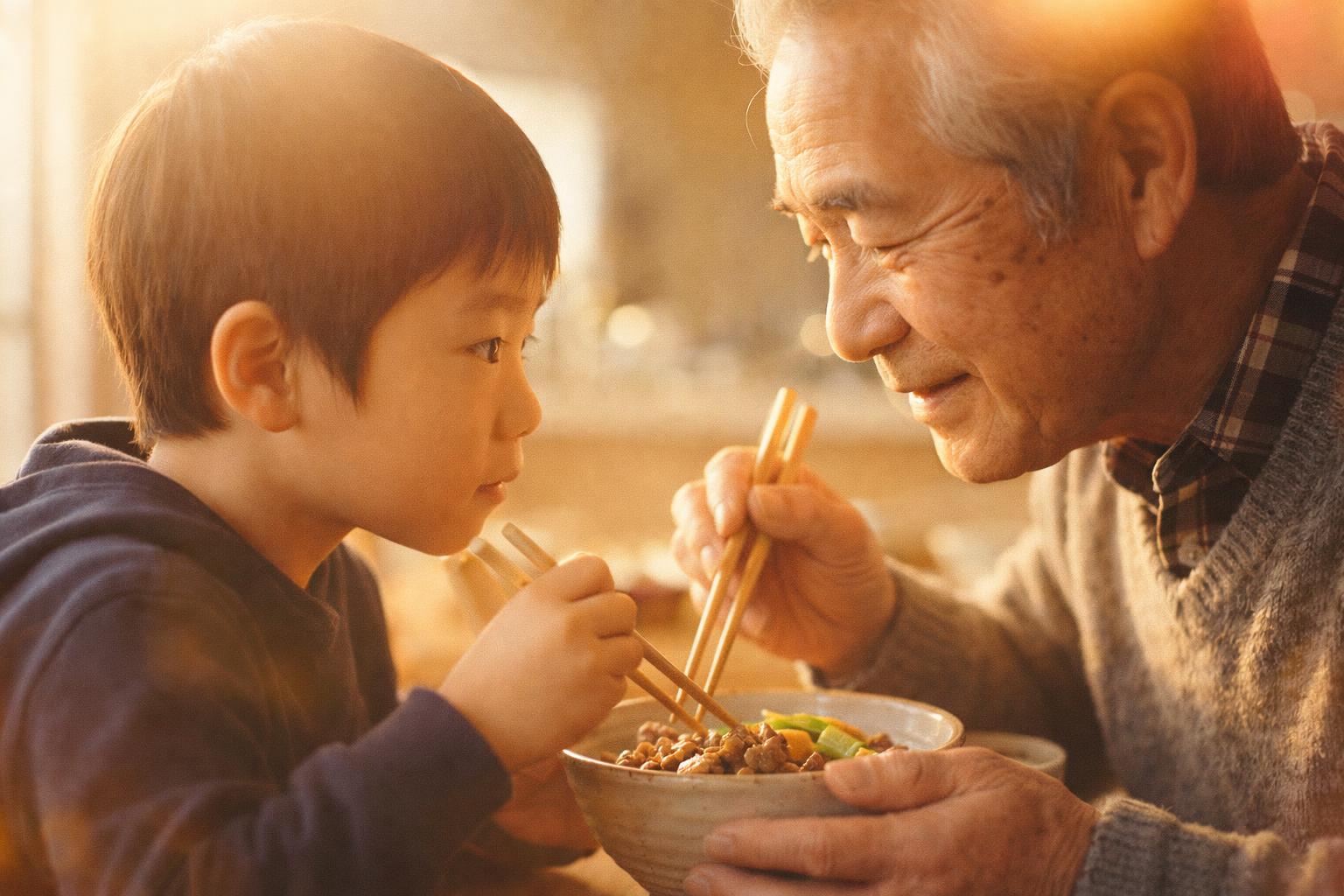
A traditional Japanese eating practice called hara hachi bu may offer a practical approach to weight management and healthier eating patterns. The phrase translates to “belly 80 percent full” and involves stopping eating before reaching complete satiation.
The practice dates back to 1713 when Japanese philosopher Ekiken Kaibara published his book “Yojokun: Life Lessons From A Samurai.” Today, experts say the approach naturally reduces daily caloric intake by an estimated 10-20% without formal dieting.
Weight and Health Benefits
“We eat too much, too fast, and too much processed food,” said Dr. Penny Stern from Northwell Health. “It’s contributing to our obesity epidemic.”
People who follow hara hachi bu tend to consume fewer calories overall and show less weight gain over time. Studies indicate men practicing this eating style also made healthier food choices, including eating more vegetables and fewer grains.
Among Okinawans following traditional Japanese diets including hara hachi bu, the incidence of prostate, colon, and breast cancers is about 50% lower than the rest of Japan, according to a 2009 study in the Journal of the American College of Nutrition.
Scientific Timing and Modern Challenges
The brain takes 15 to 20 minutes to register fullness. Slowing down and stopping earlier may help reduce excess calorie intake naturally. This becomes particularly relevant given that around 70% of adults and children use digital devices while eating, which has been linked to higher calorie intake and lower fruit and vegetable consumption.
“Hara hachi bu reminds us that food is fuel,” Stern explained. “When you stop eating before you’re completely full, you give your body a chance to find its balance again.”
Blue Zone Claims Under Scrutiny
Recent academic research has raised questions about Okinawa’s status as a longevity hotspot. University College London’s Saul Justin Newman found that claims about exceptional centenarian populations may be based on poor record-keeping rather than lifestyle factors.
“These claims are devastatingly silly when you rack them up against any sort of meaningful evidence,” Newman said. Despite its reputation for longevity, Okinawa ranks among the highest in Japan for obesity among younger generations and has one of the country’s highest suicide rates among elderly men.
Limitations and Proper Application
Nutrition expert Rahadyana Muslichah from Universitas Gadjah Mada noted that hara hachi bu is not suitable for individuals with specific calorie targets, such as pregnant women, young children, adolescents, and athletes.
The practice is not intended as a restrictive eating plan. When used purely for weight loss, it can lead to unhealthy patterns of restriction followed by overeating. Focusing only on eating less may take attention away from important aspects of nutrition, including food quality and nutrient intake.
Read more: Hara Hachi Bu Explained: The Japanese Eating Habit That May Help With Weight Loss and Longevity