
Quick Facts
- Three passengers died from hantavirus infections on the MV Hondius cruise ship, with one person in intensive care in South Africa
- WHO confirmed one laboratory-confirmed case and five additional suspected cases among 170 passengers and 71 crew members
- Experts call the outbreak highly unusual since hantavirus typically spreads through rodent contact, not human-to-human transmission
Three people died and one remains in intensive care after a cluster of hantavirus infections on a cruise ship sailing in the Atlantic Ocean, the World Health Organization confirmed Sunday.
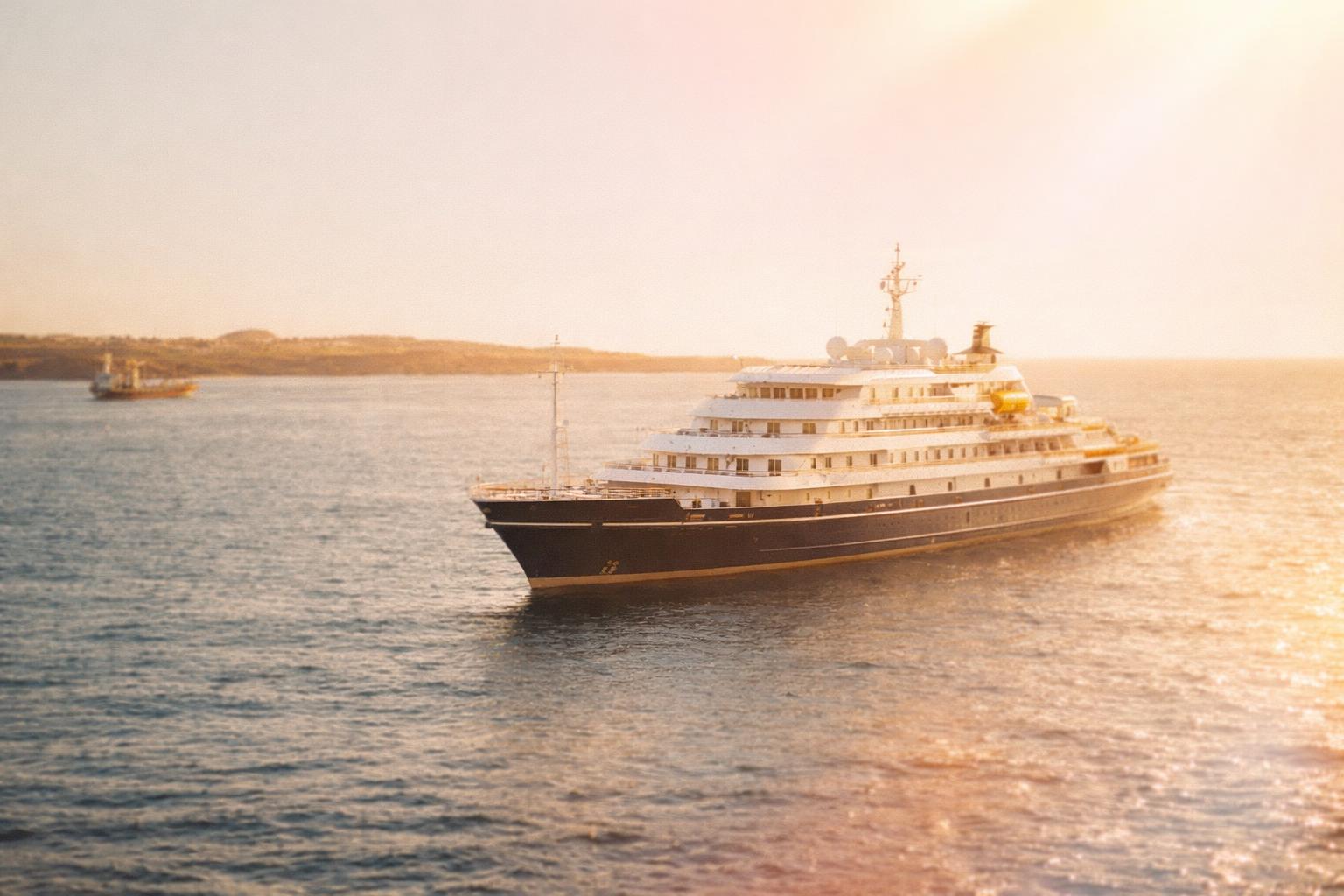
The MV Hondius, operated by Oceanwide Expeditions, is currently off the coast of Cape Verde with 170 passengers and 71 crew members aboard. The ship departed from Ushuaia, Argentina on March 20 for a 46-day trip.
WHO reported one laboratory-confirmed hantavirus case and five additional suspected cases. Two of the deceased are Dutch nationals – a 70-year-old man who died upon arrival in St. Helena and a 69-year-old woman who collapsed at Johannesburg airport while attempting to return to the Netherlands.
A British passenger who became ill while traveling from St. Helena to Ascension Island tested positive for hantavirus and is being treated at a South African hospital.
Dr. Scott Miscovich, President and CEO of Premier Medical Group, called the outbreak highly unusual. “When I first read this, I thought that they were making a misprint,” he told CNN. Hantavirus typically spreads through contact with infected rodent urine, droppings or saliva.
Miscovich identified two possible outbreak sources: contamination from rodent waste on the ship, or human-to-human transmission of the Andes variant. The Andes virus, found primarily in Chile and Argentina where the ship originated, is the only hantavirus strain with documented person-to-person spread.
“If the evidence points to human transmission, it will change the future of travel medicine and infectious disease and tropical medicine,” Miscovich said.
According to the Centers for Disease Control and Prevention, approximately 40% of hantavirus infections result in death. The disease causes hantavirus pulmonary syndrome, starting with fatigue, fever and muscle aches before progressing to severe respiratory symptoms.
Cape Verde authorities have not authorized passenger disembarkation for medical care or screening. Two crew members aboard also require urgent medical attention.
“WHO is aware of and supporting a public health event involving a cruise vessel sailing in the Atlantic Ocean,” the organization said. “Detailed investigations are ongoing, including further laboratory testing, and epidemiological investigations.”
Oceanwide Expeditions said it is “currently focused on the health and safety of passengers and crew” and will provide updates as available.
Read more: Hantavirus outbreak kills 3 on cruise ship in the Atlantic Ocean, WHO says