
Quick Facts
- Women eating the most varied diets had 59% lower breast cancer odds compared to those with least variety
- Study analyzed 1,200 women using dietary diversity scores across five major food groups
- Risk declined stepwise as dietary variety increased, with moderate diversity showing 42% lower odds
A new study of 1,200 women found that eating a wider variety of foods across food groups was linked to up to 59% lower odds of breast cancer. Researchers analyzed data from 600 women with newly diagnosed breast cancer and 600 women without breast cancer, comparing their eating patterns over the previous year.
The study scored each participant’s diet using a dietary diversity score ranging from 0 to 10. Higher scores reflected greater variety across five major food groups. Women with moderate dietary diversity had about 42% lower odds of breast cancer compared to those with the lowest diversity.
“Diet is one of the few modifiable lifestyle factors to reduce the risk of breast cancer,” said Dr. Deborah Axelrod, an American Society of Clinical Oncology expert and professor at NYU Grossman School of Medicine. “Eating whole, unprocessed foods can only improve your health and reduce your risk of other cancers, too.”
Researchers controlled for factors that influence breast cancer risk, including age at first menstruation, menopause status, education, multivitamin use, and history of benign breast conditions. The protective effect remained significant after accounting for these variables.
The study builds on recent meta-analyses showing fruits and vegetables are associated with a 29% lower risk of breast cancer in Asian populations. Soy protein and isoflavone intake reduced risk by 35% and 32% respectively.
Dr. Axelrod emphasized balance in dietary choices. “Eating low on the food chain is healthier than taking in a lot of processed food, meats, and dairy,” she said. “However, that doesn’t mean you shouldn’t have a steak now and then. Indulging infrequently is good for the soul.”
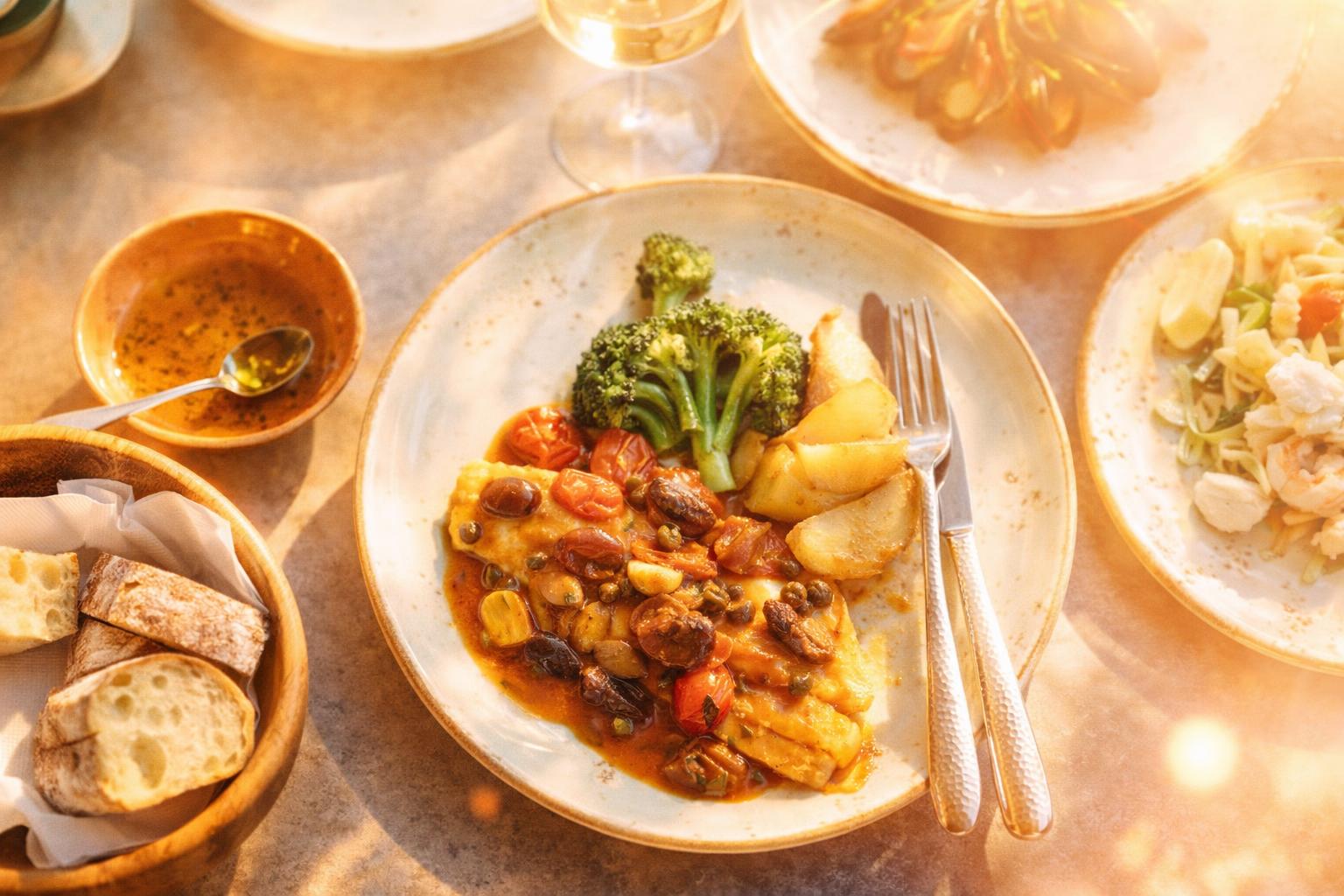
Dietary diversity includes rotating between different fruits, vegetables, proteins, grains, and dairy or plant-based alternatives. Examples include mixing berries, citrus, and cruciferous vegetables rather than eating only apples and spinach.
Breast cancer affects approximately 1.7 million women globally each year, accounting for 25% of all new cancer cases in women. The research represents the first major study to examine dietary diversity’s protective effects rather than focusing on individual foods.
Dr. Thomas Campbell, who leads plant-based diet research at University of Rochester, noted that patients should consult healthcare providers before making major dietary changes, especially those taking blood thinners or insulin medications.
Read more: This Type Of Diet May Lower The Odds Of Breast Cancer By 59%